

A strong community can be the secret ingredient behind improved student discipline in public schools. Across Flagler and Nassau counties, educators, administrators, and experts alike are uncovering powerful ways local connections contribute to fostering respect, responsibility, and positive behavior among students. It’s clear: discipline flourishes not just through rules but through relationships.
The Role of Community in Shaping School Culture
When students feel connected to their schools and neighborhoods, they’re more likely to embrace the expectations and standards set before them. According to education consultant Dr. Maria Thompson, “students who perceive their school as a community are less inclined to act out, because discipline isn’t just about punishment — it’s about belonging.”
This sense of belonging in Flagler and Nassau schools is cultivated by:
- Partnerships with local organizations and leaders who reinforce shared values
- Family engagement initiatives that invite caregivers into the school dynamic
- Celebrating cultural traditions that resonate with diverse student bodies
Such efforts create environments where discipline is collaborative rather than confrontational.
Dress Codes: More Than Just Uniforms
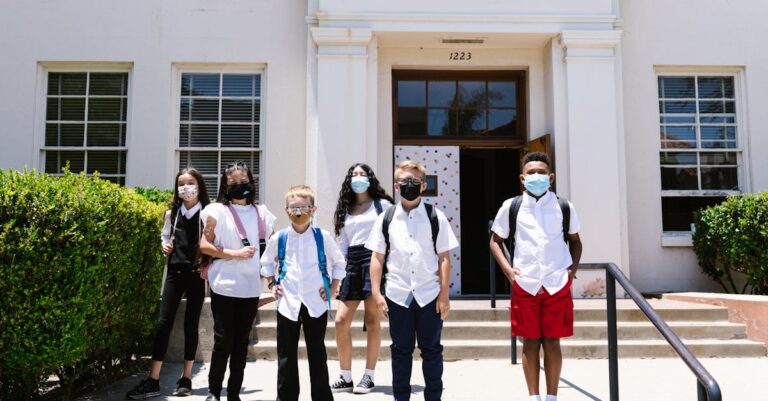
Dress codes often spark debate, but in these communities, they serve as a foundation for respect and equality. The enforcement of consistent dress standards helps reduce distractions and peer pressure, allowing students to focus on learning and positive interactions.
Jennifer Alvarez, Flagler High School’s dean of students, explains, “Our dress code isn’t just about clothing. It’s about teaching students that respect for themselves and others shows through the way they present themselves. When students take pride in their appearance, it spills over into how they behave.”
This approach is especially influential in Nassau County, where schools have worked closely with parents and students to craft dress codes that balance self-expression with community unity.
Collaboration Between Schools, Families, and the Community
Experts consistently highlight the power of a triad: school, family, and community working in harmony. In Nassau County, community leaders like Reverend James Cline engage youth through mentorship programs and after-school activities, reinforcing positive discipline long after the final bell rings.
Schools also conduct workshops for parents to align home discipline with school policies, creating consistent messaging that students recognize and respect.
“Discipline is a shared responsibility. The more students see the same expectations at home, school, and in their neighborhood, the more empowered they feel to meet those expectations,” says Dr. Lisa Montgomery, a behavioral psychologist consulting with Flagler schools.
Impact: Tangible Results and Student Success
This community-centered approach is showing measurable results in areas like Flagler County, where schools have reported:
- A 20% reduction in disciplinary referrals over two years
- Improved attendance rates
- Enhanced student self-confidence and peer respect
One Nassau County principal noted, “When students understand discipline as part of our community code – not just a set of arbitrary rules – they thrive both academically and socially.”
“Strong communities elevate student discipline from control to connection — it’s where respect is learned, not forced.” — Education consultant Dr. Maria Thompson
Final Thoughts
Discipline in public schools isn’t just a checklist of do’s and don’ts. It’s a living, breathing culture shaped by the interconnectedness of students, families, schools, and their communities. Flagler and Nassau counties stand as shining examples of how grounding student discipline in community engagement can spur success. When students feel part of something bigger, they rise to meet expectations — not out of fear, but from pride and respect.
The lesson here is clear: building strong, supportive communities is essential to unlocking the full potential of student discipline in public schools.

This Photo was taken by Muhammed Baltakıran on Pexels.
About The Author




Wow, reading this really hits close to home. I remember when I was in school, it wasn’t just about the rules, but about feeling like people actually cared. Now it feels like sometimes the community isn’t enough and kids just get lost in all